Pet Product Sourcing for On-Demand Retail: A Practical Guide for Distributors
Retailers increasingly compete on product availability as well as price and assortment. For pet product distributors, an on-demand promise is only credible when stock, supplier lead times, product data and replenishment rules work together. A sourcing plan should therefore look beyond the unit quotation and examine how reliably a supplier can support the complete order cycle.
This guide turns the recent industry focus on more responsive retail fulfilment into a practical framework for pet product sourcing for on-demand retail. It is intended for wholesalers, distributors, ecommerce operators and private-label brands.
1. Separate core replenishment SKUs from test SKUs
Do not give every product the same inventory policy. Core items with predictable repeat demand may justify a defined reorder point and safety stock. New colors, new designs or unproven accessories should begin with a controlled test quantity and a review date. This helps limit slow-moving stock while keeping proven products available.
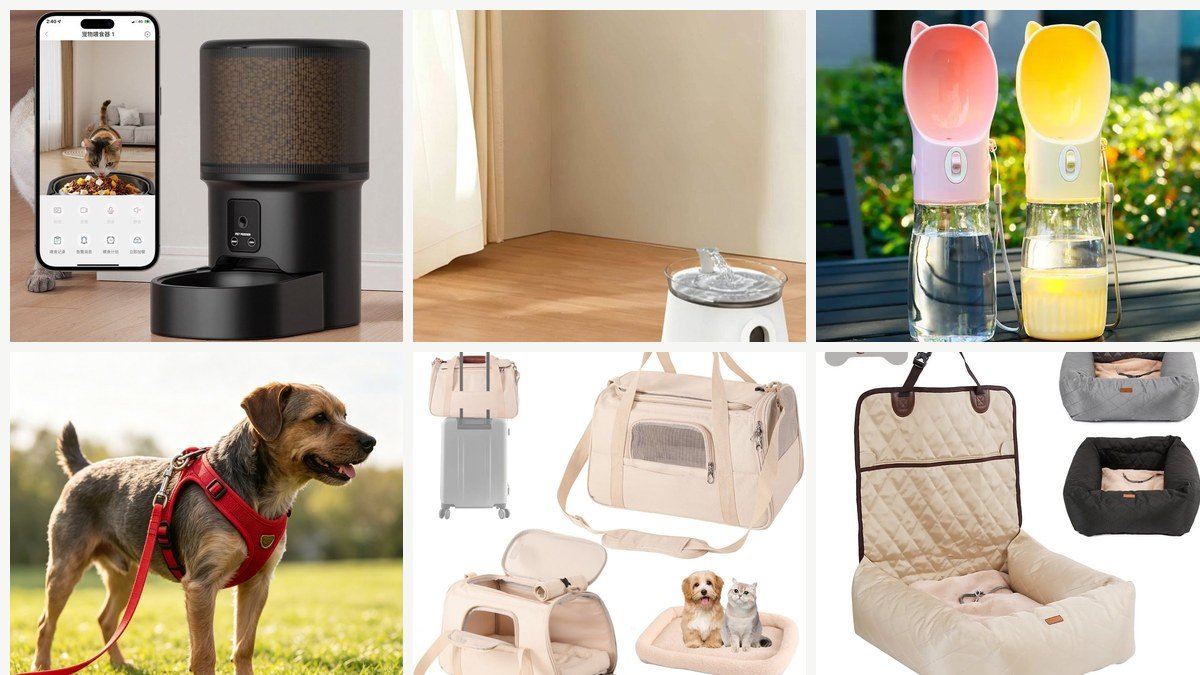
For pet accessories, a focused first assortment may include feeding products, water-related products and a small number of travel or outdoor items. Select SKUs based on the customers you serve, not on a long list of supplier catalogue options.
2. Calculate the full replenishment lead time
Ask suppliers to separate sample approval, artwork approval, material procurement, production, inspection, packing and transport. Confirm the event that starts the production clock. If the clock starts only after all specifications are approved, make that condition visible in the purchase order and internal planning sheet.
HYD's current bulk-order planning estimate is 30 days after all details are confirmed. This is a planning reference, not a delivery guarantee; the final schedule depends on the selected product, customization scope and order confirmation. Add shipping and customs time separately when calculating the date stock will be available for sale.
3. Use a supplier scorecard, not price alone
Compare suppliers on specification control, sample accuracy, communication, inspection evidence, packaging readiness and their ability to explain exceptions. Ask for a named contact and an agreed escalation path for shortages, quality issues or schedule changes. A lower unit price may not be economical if the supplier cannot provide reliable updates or consistent repeat production.
4. Standardize product information before listing
Retail availability depends on accurate product data. Maintain one approved source for SKU, model number, dimensions, materials, pack contents, barcode, carton data, instructions and images. Keep claims about certifications, compatibility, capacity and performance tied to documents for the exact model.
For connected or electrical products, define which functions have been verified on the production-intent sample. For soft goods, record dimensions, materials, care instructions and tested load criteria where relevant. Avoid copying generic specifications from a supplier's other models.
5. Plan replenishment and exception handling
Agree on how the supplier will report order milestones, shortages, component substitutions and inspection results. Decide when a change requires written approval. For recurring items, use a rolling forecast as a planning signal, while keeping purchase orders as the binding order commitment.
Track a small set of operational measures: on-time shipment against the confirmed date, order fill rate, defect rate, time to resolve a quality issue and forecast variance. These indicators help distinguish a supplier that is merely responsive in sales conversations from one that supports repeat business.
Distributor sourcing checklist
- Core SKU list and controlled test assortment
- Documented lead-time stages and production start condition
- Approved specifications, artwork and sample references
- Inspection plan, defect handling and change control
- Reliable SKU, barcode, pack and carton data
- Reorder triggers, forecast cadence and escalation contacts
HYD supplies pet feeding products, water dispensers and outdoor pet accessories through factory and trading channels, with OEM/private-label support. Standard products have a 100-unit MOQ; OEM projects have a 1,000-unit MOQ. Explore the pet product range, review OEM/ODM options or request a sourcing discussion with your target SKUs and replenishment plan.
Discuss Your Project With Our Experts
Whether you need custom pet feeders, water fountains, or beds, our manufacturing team is ready to bring your vision to life.
Send a Message