ODM Pet Carrier Bag Manufacturer: A Sourcing Checklist for Private-Label Brands
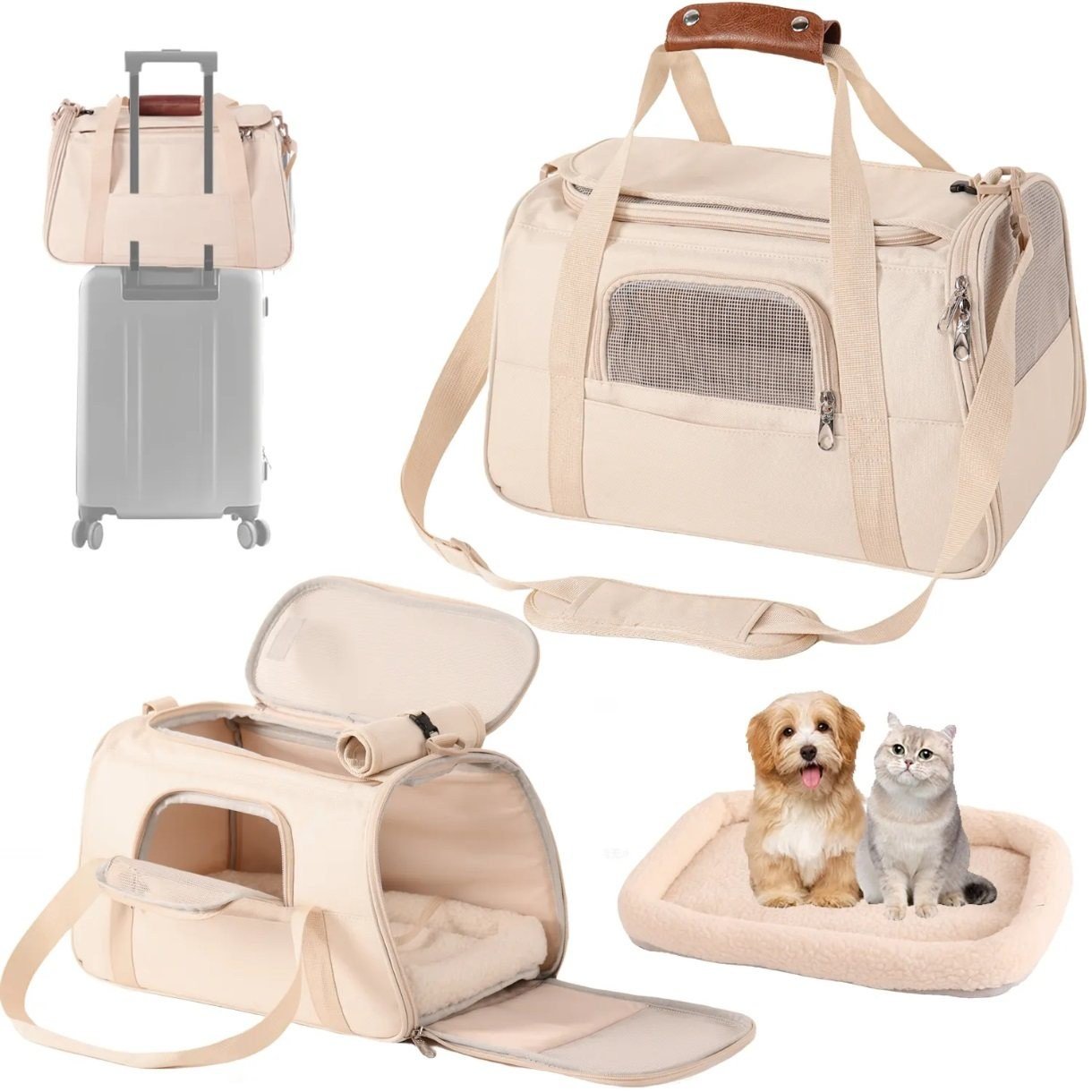
For pet brands and distributors, an ODM pet carrier bag can shorten the path from product selection to a private-label launch. The challenge is not simply finding a bag with an attractive shape. Buyers need to confirm that the carrier fits the intended pet size range, supports safe and comfortable use, survives repeated handling and can be packed efficiently for their sales channel.
This guide is written for buyers comparing an ODM pet carrier manufacturer or pet backpack supplier. Treat every feature as a point to verify on the exact sample and production specification rather than assuming that all models share the same construction.
1. Define the use case before comparing suppliers
Start with the customer and the journey. A carrier for short urban walks may prioritize compact storage and easy access. A carrier intended for longer trips may need a different support structure, ventilation layout and opening arrangement. Write down the intended pet type, target weight range, wearing position, access points and expected duration of use.
- Pet fit: request internal dimensions and the supplier's recommended pet-size range. Check usable space, not only the outside dimensions.
- Access: inspect entry openings, zipper travel, safety clips and whether the pet can be removed without awkward handling.
- Ventilation: identify mesh panels and check that airflow openings are not blocked when the carrier is worn.
- Support: examine the base, back panel, shoulder straps and load distribution under the intended use conditions.
2. Verify materials and construction on the sample
Ask the supplier to identify the fabric, mesh, lining, padding, webbing, zipper and buckle materials in the approved bill of materials. If a material is described as waterproof, breathable or scratch-resistant, request the test method or a clear definition of the claim. Do not rely on a marketing adjective without a measurable acceptance criterion.
Inspect stitching at strap anchors, corners and zipper ends. These areas often carry more stress than flat fabric panels. Open and close zippers repeatedly, check for snagging, and examine whether seams distort when the carrier is loaded. Record the sample version and photograph the details that matter to your quality team.
3. Build a repeatable load and usability test
Agree on a test protocol that reflects the product's intended use. The buyer and supplier should define the test load, duration, handling steps and pass/fail criteria before testing. Check strap adjustment, buckle retention, seam integrity, base deformation and zipper operation. A single successful demonstration is not a substitute for a documented test.
Also test practical use: putting the carrier on and taking it off, opening access panels, cleaning removable components if included, and folding or storing the item if that is part of the design. Do not publish a maximum pet weight until the selected model has supporting evidence.
4. Confirm ODM customization and order details
Ask which elements can be customized without changing the underlying design: color, logo placement, label, hangtag, packaging and selected materials. For deeper changes—such as a new structure, different dimensions or revised ventilation layout—confirm whether the project becomes an OEM development and whether new tooling or testing is required.
HYD supports OEM/private-label discussions for pet outdoor products. Standard products have a 100-unit MOQ; OEM projects have a 1,000-unit MOQ. Final customization scope, pricing and lead time depend on the confirmed model and order details. The bulk lead-time planning clock starts after all specifications and order details are confirmed; the current planning estimate is 30 days.
5. Check packaging, carton data and destination-market requirements
Before approving the purchase order, confirm the retail pack contents, barcode and label artwork, carton dimensions, gross/net weight, units per carton and shipping marks. If the carrier is sold online, request accurate product dimensions and photos for the listing. Avoid claims such as airline-approved or suitable for a particular transport provider unless the exact model has been checked against that provider's current rules.
ODM pet carrier supplier checklist
- Approved sample and revision-controlled specification
- Internal dimensions and substantiated pet-size guidance
- Material and component list
- Defined load, seam, zipper and usability tests
- Customization matrix, MOQ and tooling responsibility
- Retail packaging artwork and carton specifications
- Inspection plan and defect-handling agreement
Explore HYD's pet carrier backpack product page and OEM/ODM service overview, or send your target dimensions, market and order quantity to discuss a sourcing brief. Model-specific specifications should be confirmed before quotation.
Discuss Your Project With Our Experts
Whether you need custom pet feeders, water fountains, or beds, our manufacturing team is ready to bring your vision to life.
Send a Message